
Handling Traffic Spikes for Ticket Sales: What We Plan Before the On-Sale
 12 Nov 20264 Minutes
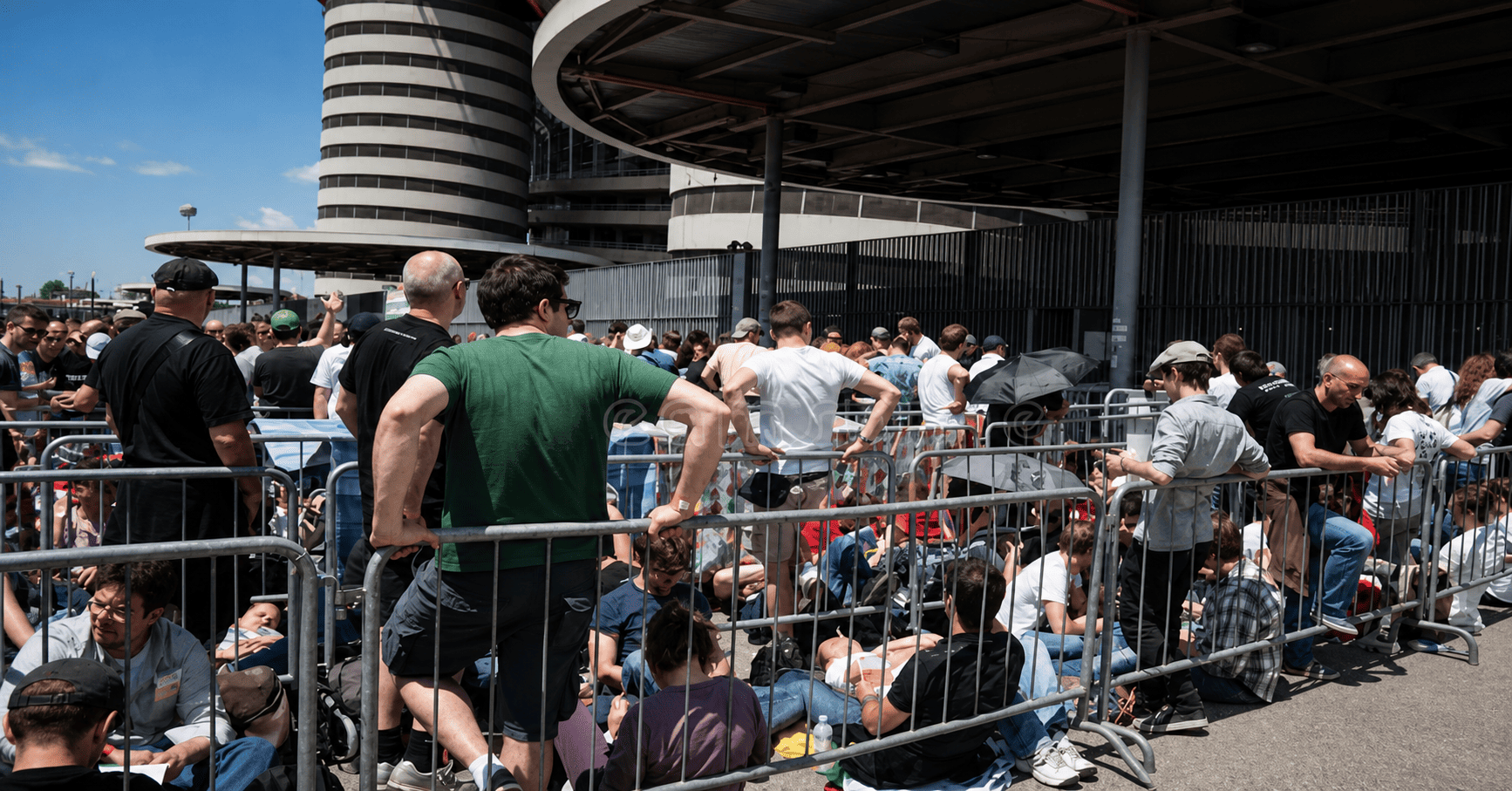
Traffic spikes for ticket sales are hard because a whole crowd arrives at the same second and wants the same thing. In our view, a ticketing site survives an on-sale because someone decided in advance what happens when too many people show up.
Why do traffic spikes at ticket sales break sites that run fine every other day?
An ordinary day is spread out. An on-sale is a wall. Thousands of people refresh the page at 10:00, open the same event, and try to buy the same seats. The load is not only bigger, it is concentrated on the one part of the system that cannot be copied: the stock of available tickets.
What usually breaks first?
In our experience of how these systems fail, the pages people read are rarely the problem. Event descriptions and images can be cached and served cheaply. The trouble starts at checkout, where each request must check stock, reserve a seat, and talk to a payment provider. The database and the payment step become the narrow doorway everyone is pushing through.
How do we keep a crowd from becoming an outage?
We separate browsing from buying. Static pages go behind caching so that curiosity does not compete with real purchases. For the buying path, we like a virtual waiting room: visitors enter a queue and are let in at a pace the checkout can handle. It feels slower for the buyer, but a steady queue is kinder than a page that fails for everyone.
Rate limiting helps too. It stops one over-eager script, or one very persistent refresh button, from taking capacity away from everybody else.
How do we avoid selling the same seat twice?
Overselling is the failure people remember longest. We treat a seat as held, not sold, the moment it enters a cart. The hold expires after a short timer and returns to stock if the payment never arrives. Stock updates must be atomic, so two buyers cannot both succeed on the last ticket.
Payment confirmations deserve the same care. Providers can send the same notification more than once, so the system should recognise a repeat and not issue a second ticket.
How do we test for a crowd we have never seen?
Load testing is the part teams skip when the date is close. We would test the full buying flow, not only the homepage, with more traffic than the most optimistic forecast. We would run it on an environment that resembles production, because a test on a small server tells you little about the real one.
Capacity that scales automatically is useful, but it often takes time to start, and a spike can arrive faster than that. So we also plan for the day itself: who watches the dashboards, what gets switched off first if things go wrong, and who decides to pause the sale.
None of this is exotic. It is a set of decisions made calmly, before the crowd arrives.
We are Roketin, a Bandung-based software house and digital transformation partner. We build websites, applications, and enterprise systems, including platforms that must stay up when attention peaks. Our view is that event sales should be designed around the worst ten minutes, not the average day. If you are planning an on-sale and worry about traffic spikes, talk to us.
FAQ
Do small events need this level of planning?
Not always at the same scale. Even a modest on-sale benefits from a tested checkout and a clear rule for holding stock, because a small crowd can still arrive all at once.
Is autoscaling enough on its own?
Usually not. Databases and payment providers have their own limits, and new capacity often takes time to come online. A queue and tested limits protect those weak points.
What is a virtual waiting room?
It is a queue placed in front of the buying flow. Visitors wait their turn and enter at a controlled pace, so the checkout is not overwhelmed.