
Designing Apps for Daily Habits
 5 Nov 20262 Minutes
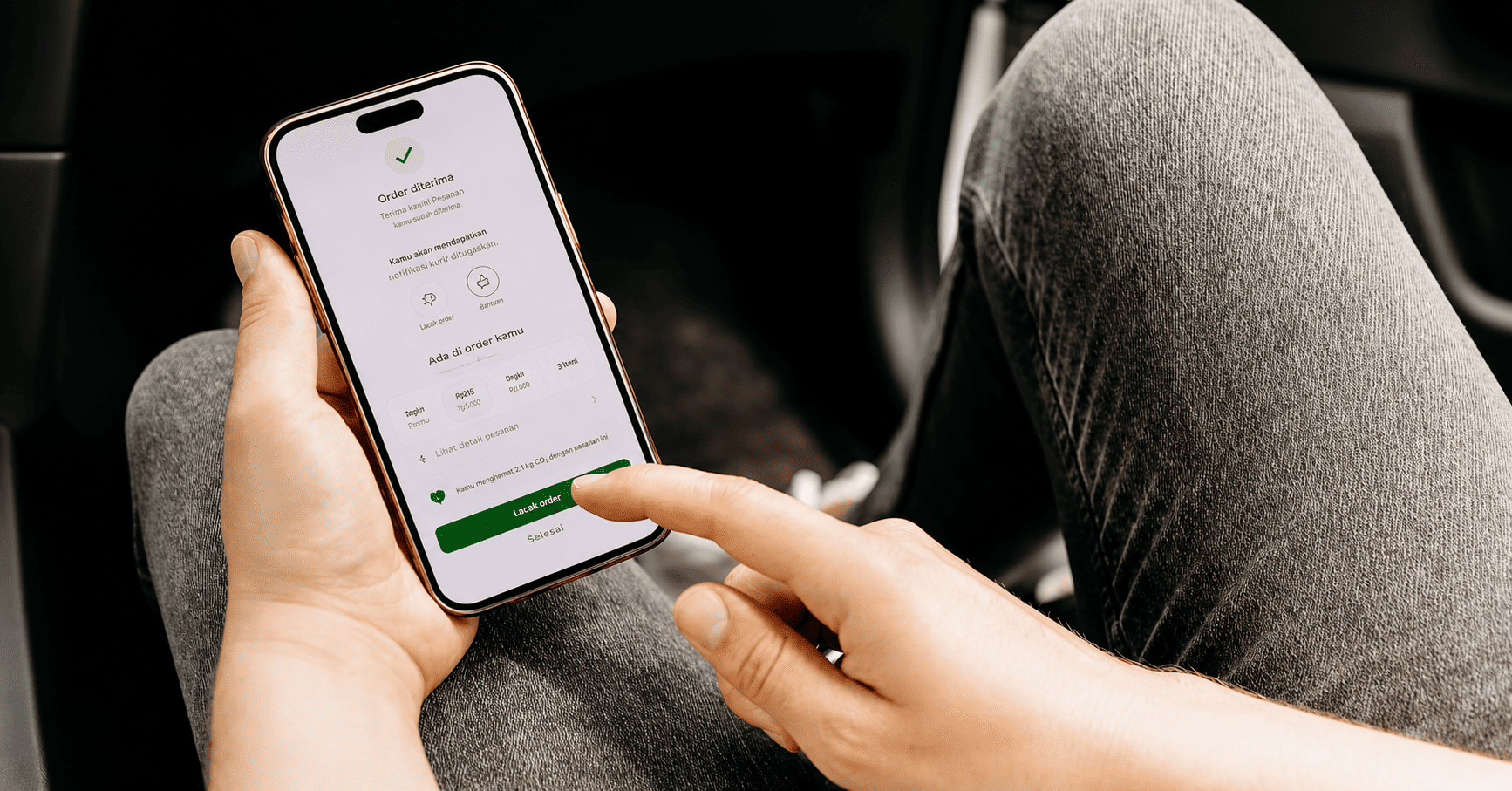
An app built for a daily habit has an unusual job. Nobody needs it urgently. People open it for a few seconds, ideally every day, and what happens in those seconds decides whether they come back tomorrow.
At Roketin, a software house in Bandung, we treat these apps as a friction problem more than a feature problem.
What makes a habit app different from other apps?
Most apps help someone finish a task and leave. A habit app helps someone build a routine, so its success is measured in weeks, not sessions.
That changes the design goal. Opening the app should feel lighter than ignoring it.
How do you reduce friction in the first few seconds?
Put the daily action on the first screen. Logging a glass of water or a short journal line should not take a menu and three taps.
Quick actions and home-screen widgets help, because they shorten the path even further. Settings and history can wait on a second screen.
How should reminders work without becoming noise?
A reminder helps until it irritates, and then people switch it off for good. Let users choose the time, keep the wording neutral, and make snoozing or muting for a week a single tap.
A reminder that gets disabled is worse than no reminder at all.
What should happen when someone misses a day?
Streaks motivate some people and discourage others. A broken streak can feel like failure, and that is often the moment users quit.
We prefer designs that let people restart without penalty. Showing weekly consistency next to the streak, and greeting a returning user with a plain welcome back, keeps the habit alive.
How should an app handle personal data?
Habit data can be personal: sleep, mood, exercise. Collect only what a feature needs, explain why in plain language, and give people a way to export or delete it.
Weak connections matter too. Save entries on the device first and sync later, so a habit is never lost to a bad signal.
What is our approach to apps like this?
Roketin is a software house in Bandung, founded in 2015, that builds applications and websites, ERP and internal management systems, and custom solutions for banking and insurance. For any product, including a habit app, we start with one question: what is the smallest thing this app has to do well?
The rest, from reminders to analytics, is added only when it serves that answer.